
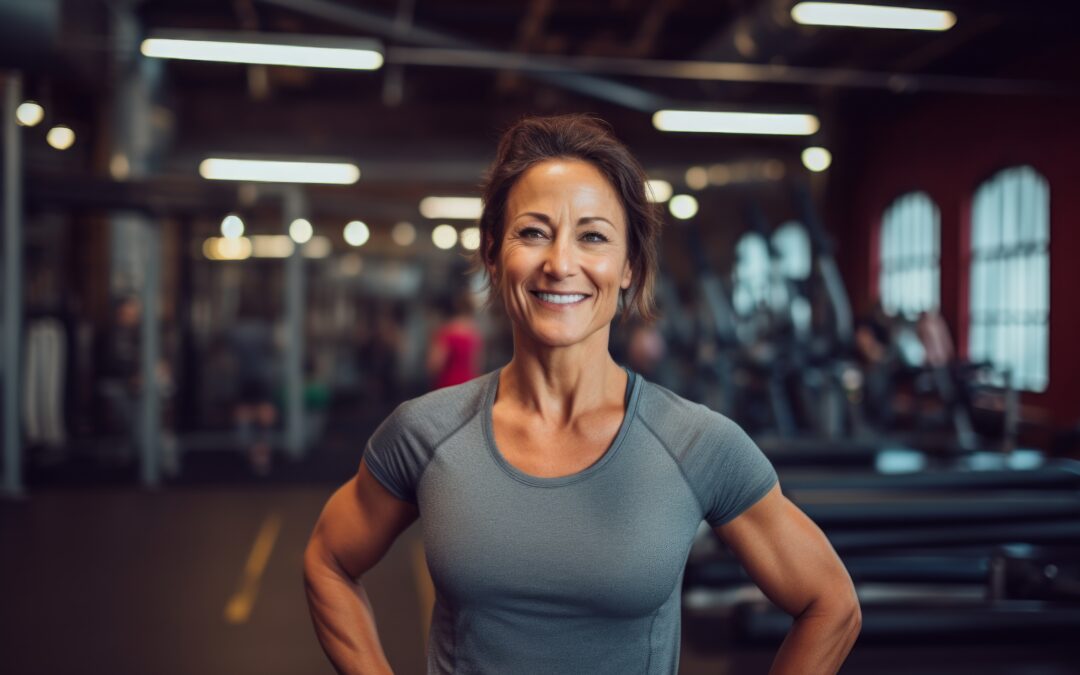
If you're over 40 and living in the Boone or West Jefferson area, you've probably noticed that getting in shape doesn't feel quite the same as it did in your twenties. Your body recovers a little slower, those old injuries seem to flare up more easily, and the workout routines that used to work don't deliver the same results anymore.
Here's the good news: getting back in shape after 40 is absolutely achievable, and in many ways, this can be the strongest and healthiest decade of your life. I've worked with dozens of clients in the High Country who've transformed their fitness in their 40s, 50s, and beyond. The key is working smarter, not just harder.
Why Fitness After 40 Is Different
Let's be honest about what changes as we age. After 40, most people experience a natural decline in muscle mass (about 3-8% per decade), slower metabolism, decreased bone density, and reduced flexibility. Hormonal changes affect both men and women, impacting energy levels and how our bodies store fat.
But here's what many people don't realize: these changes aren't inevitable declines you have to accept. With the right approach to training and nutrition, you can actually build more strength and improve your fitness dramatically in your 40s and beyond.
The Biggest Mistakes People Make
Going too hard, too fast. I see this constantly. Someone decides to get back in shape, remembers what they used to do at 25, and jumps right back into intense workouts. Within two weeks, they're injured or so sore they can't continue. Your body needs time to adapt, especially if you've been sedentary for a while.
Ignoring mobility and recovery. When you're younger, you can get away with skipping warm-ups and stretching. After 40, mobility work isn't optional—it's essential for preventing injury and maintaining your ability to move well as you age.
Focusing only on cardio. Many people think weight loss means endless cardio. But after 40, strength training becomes even more important. Building and maintaining muscle mass is crucial for metabolism, bone density, balance, and overall functional fitness.
A Smarter Approach to Training After 40
Start with a proper assessment. Before jumping into any program, it's worth understanding where you're starting from. What movements cause discomfort? What's your current strength baseline? Any old injuries that need to be worked around? A good personal trainer can help you identify these factors and design a program that works with your body, not against it.
Prioritize strength training. Two to three strength sessions per week should be the foundation of your fitness routine. Focus on compound movements like squats, deadlifts, presses, and rows—these build functional strength that translates to everyday life in the mountains, whether you're hiking, skiing, or just keeping up with grandkids.
Build in recovery time. Your body needs more recovery after 40. That doesn't mean you can't train hard—it means you need to be strategic. Adequate sleep, proper nutrition, and rest days aren't luxuries; they're when your body actually gets stronger.
Make it functional. Living in the High Country means dealing with elevation changes, carrying gear for outdoor activities, and navigating uneven terrain. Your training should prepare you for the life you actually live. Functional movements that improve balance, stability, and real-world strength matter more than how much you can bench press.
Nutrition Matters More Than Ever
You can't out-train a bad diet at any age, but this becomes especially true after 40. Your metabolism has slowed, and your body is less forgiving of poor food choices. Focus on:
- Adequate protein (aim for 0.7-1 gram per pound of body weight) to support muscle maintenance and growth
- Whole, nutrient-dense foods rather than processed options
- Consistent meal timing to keep energy stable throughout the day
- Proper hydration, which is even more important at our elevation
Setting Realistic Goals
One of the advantages of training clients in West Jefferson and Boone is that we have a shared understanding of what mountain life demands. Your fitness goals should align with how you want to live. Maybe you want to:
- Hike the trails around Grandfather Mountain without being winded
- Ski all day without your knees aching
- Keep up with your kids or grandkids
- Simply feel strong and energized in your daily life
These are all achievable goals with consistent, smart training. The timeline might be different than it was when you were younger, but the results can be even more meaningful.
The Value of Professional Guidance
I'm obviously biased as a personal trainer, but here's why I believe working with a professional is especially valuable after 40: the margin for error is smaller. A poorly designed program or improper form can lead to setbacks that take weeks or months to recover from.
A good trainer helps you:
- Design a program that works around any limitations or past injuries
- Learn proper form to prevent injury
- Progress safely and effectively
- Stay accountable and consistent
- Adjust your program as your body changes
Getting Started
If you're ready to get back in shape, start simple. Don't wait for the perfect moment or the new year or Monday. Begin with what you can do today:
- Take a 20-minute walk around downtown Boone or West Jefferson
- Do some basic bodyweight exercises at home
- Commit to drinking more water
- Schedule a consultation with a trainer who understands your goals
The mountain communities of Boone and West Jefferson are full of active, vibrant people in their 40s, 50s, 60s, and beyond. There's no reason you can't be one of them.
Your 40s can be a time of incredible strength and vitality—not a slow decline. With the right approach, many of my clients tell me they're in better shape now than they were a decade ago. It just takes a willingness to train smarter and a commitment to showing up consistently.
Ready to get started? Let's talk about what a personalized fitness plan could look like for you.
GCox Fitness offers personalized training programs for clients in West Jefferson and Boone, NC. Whether you're getting back into fitness after a break or looking to take your training to the next level, we design programs that work with your body and fit your mountain lifestyle.